
The Moment We Realize We Were Not Special
Sit quietly and observe. Today, I want to take you through a philosophical journey of human cognition.
·2 min read
Statistically, starting your own business often leads to losing money, as most startups don’t last long. If you are smart and careful, having a job might be a safer and better-paying choice. But if yo...
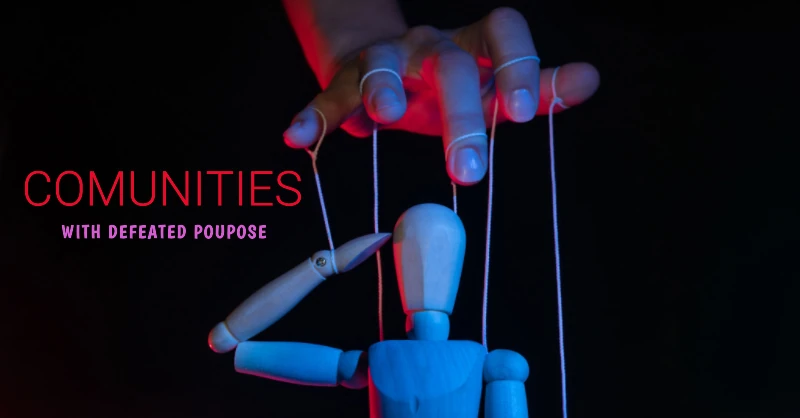
Statistically, starting your own business often leads to losing money, as most startups don’t last long. If you are smart and careful, having a job might be a safer and better-paying choice. But if you still feel the urge to try something on your own, my first advice would be to build a community with a solid, meaningful purpose. It can be full of surprises and quite rewarding—until it’s not.
I once built a community focused on helping people deal with anxiety. It grew rapidly but eventually faded away. At its peak, more than a hundred people would gather to share ideas and feel connected. I was at the center of it all—the leader, the one everyone believed made it special. It felt like being a cult leader, which is quite a unique position. But as the community grew, it demanded more time and energy to keep attracting new members and maintaining its spirit.
Empathy is a powerful tool—for a while. It’s easy to bond with people who think and feel like you. That connection is addictive, and people will admire you for it. But really, everything is a kind of cult. People gather, talk, and then go their separate ways. Social media? It’s just a giant gathering place where groups leave behind likes, comments, and emojis as traces of their existence.
A memorable idea that sticks in the mind keeps a cult alive. My community was called Anxiety Support Circle (ASC). It didn’t solve anxiety. In fact, to keep a community thriving, you’re not supposed to solve the problem. If someone overcomes their anxiety, they’ll no longer need the group. Instead, the community existed to acknowledge anxiety and remind people they weren’t alone. “Wow, this channel has thousands of followers,” they’d think. “I’m not the only one.” Similarly, when your spouse shares a problem, the purpose isn’t always to solve it—it’s to listen and let them feel heard. Solving the problem can end the very connection the conversation was meant to build.
Consider the book How to Win Friends and Influence People. It’s popular because, at some point, everyone realizes the importance of friendship—plain, non-romantic human connection. We all need a place and a purpose to socialize. But imagine if a group blatantly advertised, “Join us to make friends and influence people.” Most would hesitate to show up. Instead, we create spaces that look different on the surface—book clubs, public speaking groups, and so on—but all share the same core idea.
Book clubs are supposedly about reading and discussing books. But they aren’t for applying the lessons in those books. If you want to put those strategies into action, you’d need to join other groups. I once joined a public speaking community. It was thrilling at first—standing up, sharing ideas, and feeling heard. To keep fresh topics coming, they had a clever system: members rotated through self-help books, each reading one and presenting its key points. The longer I stayed, the more I noticed how much public speaking clubs, book clubs, and MLM groups had in common. After a few months, it became obvious—they all followed similar patterns.
In the end, shared ideas and human connection drive everything—whether it’s a self-help group, a business network, or a crowd chasing the next big trend on social media.
#StartupReality #BuildingCommunities #HumanConnection #SocialMediaTrends #EmpathyMatters #CultOfIdeas #AnxietySupport #PersonalGrowth #BookClubs #PublicSpeaking #MLMTruth #ViralContent #SharedIdeas #ListeningMatters #LifeLessons #CommunityLeadership #AttentionEconomy #InfluenceAndConnection #Entrepreneurship #BusinessInsights

Writer & Technologist
Writing on careers, AI autonomy, mental models, and the evolving nature of work. If this essay made you reflect, explore the topic hub or subscribe for periodic dispatches.
Sit quietly and observe. Today, I want to take you through a philosophical journey of human cognition.
I have a friend who is good at winning any arguments. We had a debate on the topic of creating dependency in the team. He was backing up the idea of making the team dependent on his presence, thereby ...
Recent experiences can be vividly recalled with far greater detail. However, older memories fade, and their details become less accessible. During every sleep cycle, short-term memories are consolidat...
Discussion
0Join the conversation
Sign in with Google to post your thoughts, reply to other readers, and like insightful reflections.
No comments yet.
Be the first to share an insight or question.