
The Moment We Realize We Were Not Special
Sit quietly and observe. Today, I want to take you through a philosophical journey of human cognition.
·2 min read
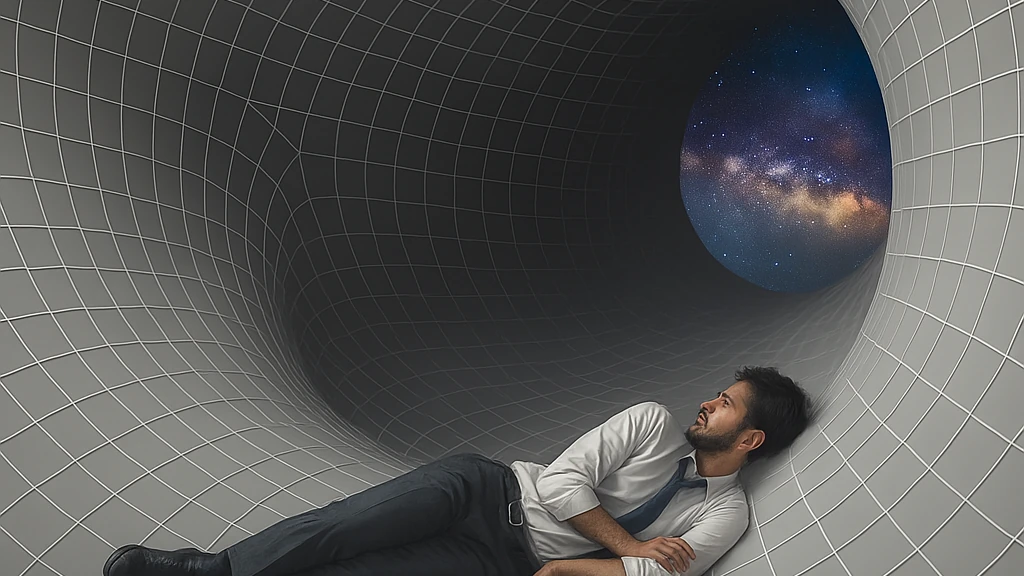
I have a friend who is good at winning any arguments. We had a debate on the topic of creating dependency in the team. He was backing up the idea of making the team dependent on his presence, thereby becoming indispensable. For several years, that was my way of working; it had changed after an important incident in my life. That incident forever changed the way I approach the work.
Two years ago, I committed to a piece of software to be delivered. I had voluntarily agreed to complete the work that I was responsible for. At the same time, I was down with a fever and depressing fatigue. Instead of taking a good rest, I continued to work. I was just scared of losing the hero image (false-pride) I had built with my teammates. This continued for two days. Neither was the work completed, nor did the fever subside. Second night, I was struck with epilepsy Seizures, so much that my right shoulder twisted backwards and had a fracture. I was immediately admitted to the hospital, and I was in sedation for the next two to three days, not remembering anything whatsoever had happened afterwards. I had to undergo shoulder surgery in the hospital. It was followed by physiotherapy for 2 months, and a few consultations with my MRI brain scans to find out the reasons for the Seizures. In the office, nobody continued with that work. Two months later, I returned to work and continued from where I had left off.
That incident made me realise that there is a true breaking point to the brain. Beyond which brain takes over without giving any freedom to think. After this point in time, I turned my focus to relying more on my teammates, delegating tasks to the right people, and fostering a habit of stepping back from taking the biggest share of the credit. This approach helps us humble our ego instead of fueling it.

Writer & Technologist
Writing on careers, AI autonomy, mental models, and the evolving nature of work. If this essay made you reflect, explore the topic hub or subscribe for periodic dispatches.
Sit quietly and observe. Today, I want to take you through a philosophical journey of human cognition.
Recent experiences can be vividly recalled with far greater detail. However, older memories fade, and their details become less accessible. During every sleep cycle, short-term memories are consolidat...
Memory is like holding onto a thread and tracing it to see what’s on the other side. One end of the thread is always tied to reality. You start with any real object as a reference, and its related mem...
Discussion
0Join the conversation
Sign in with Google to post your thoughts, reply to other readers, and like insightful reflections.
No comments yet.
Be the first to share an insight or question.