
The Moment We Realize We Were Not Special
Sit quietly and observe. Today, I want to take you through a philosophical journey of human cognition.
·2 min read
We often take life for granted. The people we love, the comfort of a home, the quiet morning coffee; these simple things feel permanent, as if they will always be there. But they may not. Life can cha...
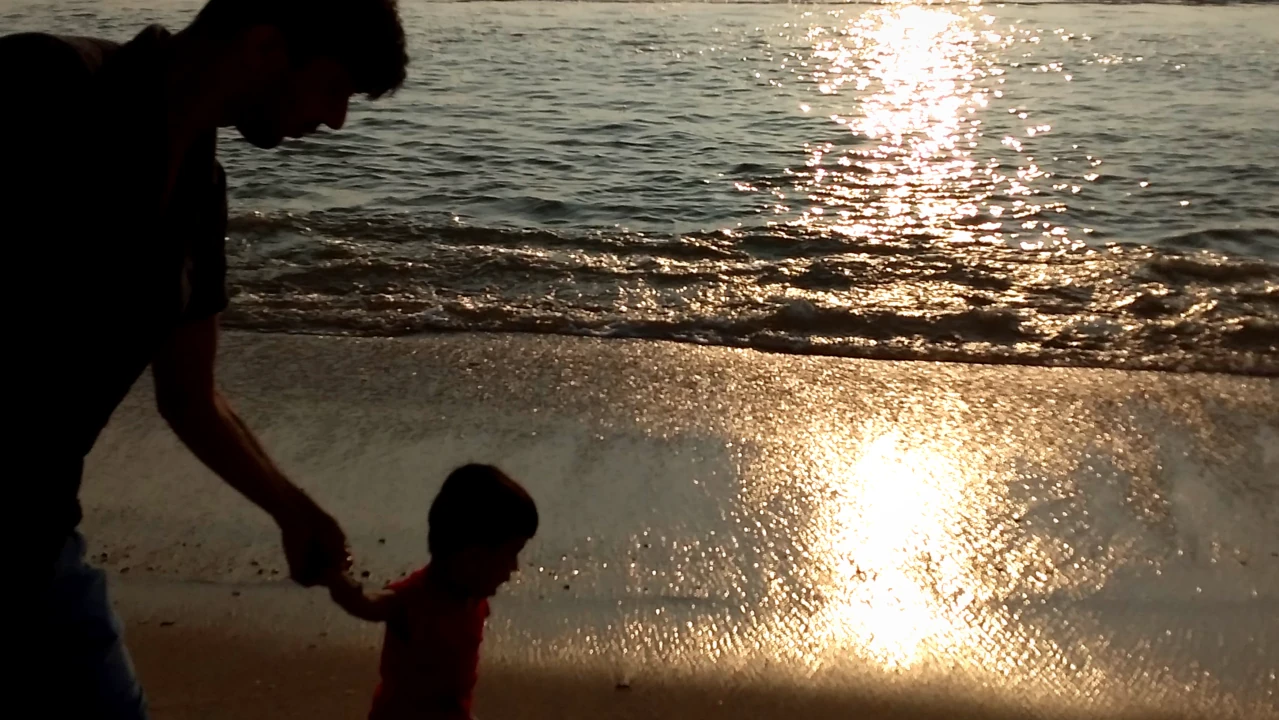
We often take life for granted. The people we love, the comfort of a home, the quiet morning coffee; these simple things feel permanent, as if they will always be there. But they may not. Life can change suddenly, without warning or explanation. This is why the practice of negative visualization can be so powerful. It means imagining what your life would look like without the things you value today. It may sound unpleasant, but it brings a deep sense of clarity. When you realize that everything you love can be lost, you begin to treasure it more. Gratitude grows when we stop expecting everything to stay the same.
All around us, the world seems to be in conflict. Nations, corporations, families, and individuals are struggling in one way or another. Beneath the surface, they are all doing the same thing: fighting to survive. If this reality shakes your sense of identity or peace, it could be a sign that your expectations from life are too high. No one is owed comfort or certainty. Life is fragile, and so are the systems we build.
Every structure we depend on, from families to banks to governments, was created by people trying to secure their survival. These structures are deeply connected to one another, much like a mistletoe clinging to its host tree. The mistletoe draws water and nutrients through a root-like structure called a haustorium. As long as the tree survives, the mistletoe survives. The same is true of many human systems: they rely on each other to keep going.
Take multinational corporations as an example. Many have grown far beyond the borders of the countries that created them. Even if a company’s home country collapses, the business can still operate in other parts of the world. These organizations are not built around one person. They survive through systems, processes, and rules that keep them running, no matter who comes or goes. People depend on the income, services, and identity that companies provide. In return, companies rely on people to sustain their purpose.
Startups may begin with a single visionary, but they too must evolve. If a business remains tied to one individual, it will eventually struggle. True survival means building something bigger than any one person. It means learning to adapt, delegate, and trust systems.
Money plays a crucial role in all of this. It is the shared language of modern life. Not just a medium of exchange, but a symbol of trust. People rarely trust each other completely, but they trust money, because it gives access to what they need: security, opportunity, freedom.
Companies do more than provide salaries. They tap into deeper human desires. People work not only for income, but for purpose, for recognition, for the chance to be part of something meaningful. A company offers more than a job; it offers identity, direction, and a sense of belonging. This relationship is mutual. Humans need companies to survive. Companies need humans to thrive.
But we should not mistake this for consciousness. A company is not alive. It is guided by rules, laws, and the ambitions of a few key individuals. CEOs, directors, and executives steer its direction. Their decisions often carry enormous weight. To become one of them, there are usually two paths. The first is to enter the organization and prove your value over time. You may help the company grow, manage its complexity, or bring in revenue. The second path is to invest your money, and with it, your influence.
In the end, everything we build, from families to corporations, is an attempt to preserve what matters to us. But nothing is guaranteed. What you cherish today can vanish tomorrow. That is not a reason to live in fear. It is a reason to live with awareness. To be present. To be grateful. Appreciate what you have, not because it is perfect, but because it is real. And because it might not be yours forever.

Writer & Technologist
Writing on careers, AI autonomy, mental models, and the evolving nature of work. If this essay made you reflect, explore the topic hub or subscribe for periodic dispatches.
Sit quietly and observe. Today, I want to take you through a philosophical journey of human cognition.
I have a friend who is good at winning any arguments. We had a debate on the topic of creating dependency in the team. He was backing up the idea of making the team dependent on his presence, thereby ...
Recent experiences can be vividly recalled with far greater detail. However, older memories fade, and their details become less accessible. During every sleep cycle, short-term memories are consolidat...
Discussion
0Join the conversation
Sign in with Google to post your thoughts, reply to other readers, and like insightful reflections.
No comments yet.
Be the first to share an insight or question.